

There are songs that make us cry, songs that make us remember, and then there are songs that carry legends so dark that they blur the line between music and myth. Gloomy Sunday is one such haunting melody. Released in 1933 and composed by Rezső Seress, this melancholic piece quickly gained a chilling reputation. Whispers spread across Europe that the song was somehow linked to a wave of tragic deaths, earning it the unsettling nickname “The Hungarian Suicide Song.”
As the story goes, Gloomy Sunday was allegedly found at the center of several suicide notes in the 1930s. Newspapers fueled the panic, claiming that listeners were so deeply affected by its sorrowful lyrics and somber tune that they took their own lives after hearing it. Whether exaggerated or not, the rumors were powerful enough that the song was reportedly banned from radio airplay in parts of Europe. Fear, fascination, and mystery surrounded every note.
But was Gloomy Sunday truly cursed or was it simply a victim of a depressed era marked by economic hardship and looming war? In this blog, we’ll uncover the dark history behind the song, explore the truth behind the legend, and separate fact from fiction in one of music history’s most chilling stories.
What Is Hidden Inside “Gloomy Sunday”?
There are sad songs… and then there are songs that feel almost too heavy to bear. Gloomy Sunday is often described as one of the most haunting compositions ever written. For decades, it carried a chilling reputation and was surrounded by rumors that made it infamous across Europe and beyond. But what exactly made this song so disturbing? Was it the melody, the lyrics, or simply the dark period in history when it was created?
Let’s take a closer look at the elements that gave this song its unsettling legacy.
The Composition: Why the Melody Feels So Heavy
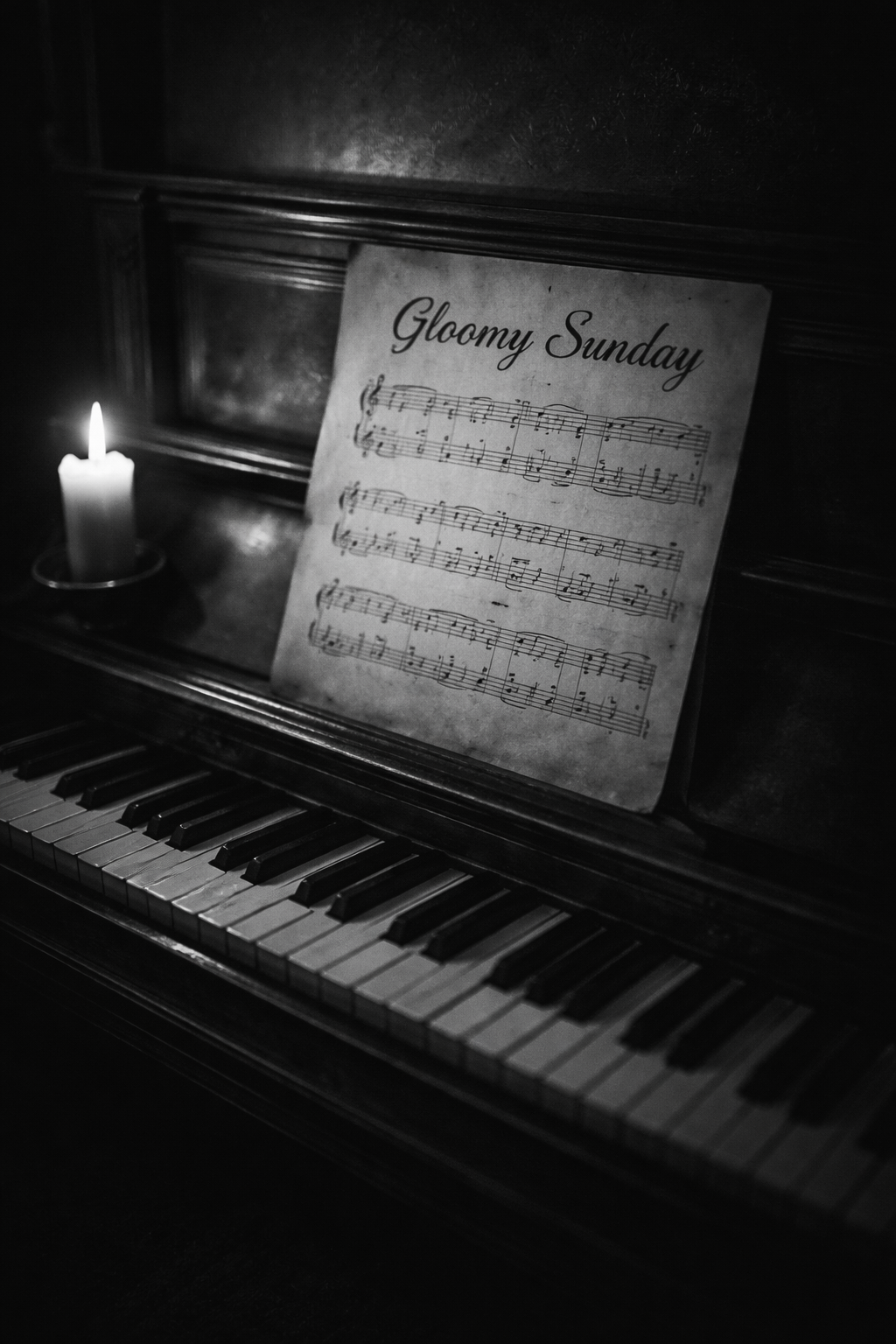
In 1933, Hungarian composer Rezso Seress wrote Gloomy Sunday during a period of personal and financial struggle. The melody is built in a minor key, which naturally creates a sense of sadness and emotional tension.
The tempo is slow and dragging. The piano chords repeat in a way that feels almost circular like being trapped in a loop of sorrow. There is no musical lift, no emotional release. Instead, the structure feels weighty and unresolved.
Music psychologists explain that slow tempos and minor scales can intensify feelings of melancholy, especially for listeners who are already emotionally vulnerable. Gloomy Sunday doesn’t just sound sad it feels hopeless.
The Lyrics: Themes of Death and Eternal Reunion
The original Hungarian lyrics, written by poet Laszlo Javor, revolved around loss, grief, and longing for a lost lover. But what made them especially unsettling was the theme of death as a form of reunion.
Rather than expressing hope for healing, the lyrics suggested meeting again in the afterlife. That idea love fulfilled only through death gave the song a darker emotional tone.
When Billie Holiday recorded the English version in 1941, her fragile and haunting vocal delivery amplified the emotional weight of the words. Her voice carried exhaustion and sorrow, making the song feel intensely personal and painfully real.
It wasn’t just a breakup song. It was a farewell.
Why Did Rezső Seress Write It?
Rezso Seress was reportedly struggling with rejection in his career and heartbreak in his personal life when he composed the melody. At the same time, Europe was facing the Great Depression and rising political instability.
The world itself was in a dark place. Economic hardship, fear of war, and social uncertainty created a collective atmosphere of anxiety and despair. In many ways, Gloomy Sunday reflected the emotional climate of its era.
Seress later stated that he simply intended to write a deeply sad song not something harmful. Yet once newspapers began linking the song to alleged suicides, its reputation grew far beyond his intentions.
Did the Song Really Cause Tragedies?
This is the most controversial part of the story.
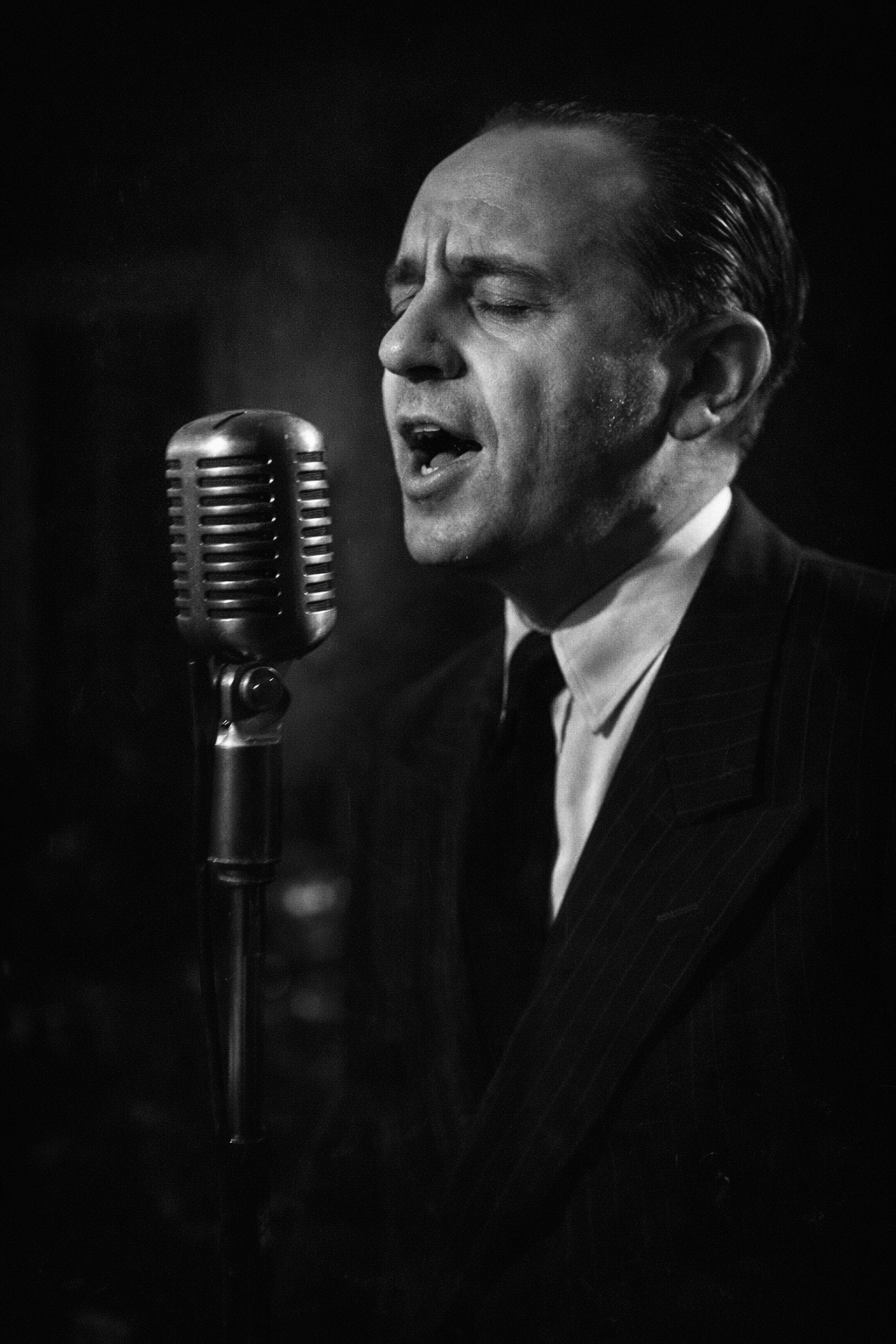
While reports in the 1930s claimed that several suicides were connected to the song, historians argue that there is no solid evidence proving direct causation. The media may have exaggerated incidents to create sensational headlines.
It’s important to understand that people experiencing depression or emotional crisis are influenced by many complex factors. A song alone cannot cause such decisions. However, music can resonate deeply with someone who is already struggling.
In that sense, Gloomy Sunday may not have caused tragedy but it may have mirrored the despair people were already feeling.
The Psychological Power of Music
Music directly affects the brain’s emotional centers. When melody, harmony, and lyrics align around themes of loss and hopelessness, the emotional impact becomes stronger.
Gloomy Sunday combined:
- A minor key structure
- Slow, repetitive piano progression
- Lyrics centered on death and longing
- A haunting vocal interpretation
Together, these elements created an atmosphere of intense sorrow. For listeners in a fragile state, that intensity could feel overwhelming.
A Song or a Symbol of a Dark Era?
Nearly a century later, Gloomy Sunday remains one of the most mysterious songs in music history. Rather than being “cursed,” it is more likely a reflection of a deeply troubled time.
Its legend reminds us of two powerful truths:
- Music can deeply influence emotions.
- Stories can grow far beyond the facts.
Gloomy Sunday was not a supernatural force it was a mirror. A mirror of heartbreak, hardship, and a world struggling with despair.
Conclusion
The dark legend of Gloomy Sunday continues to fascinate listeners nearly a century after its release. While the song earned the nickname “The Hungarian Suicide Song,” historical evidence suggests that its reputation was largely shaped by sensational media and the emotional climate of the 1930s. Composed by Rezső Seress and later popularized internationally by Billie Holiday, the song reflects heartbreak, despair, and the struggles of a troubled era. Rather than being cursed, Gloomy Sunday stands as a powerful example of how music can mirror human emotion and historical hardship.
FAQs
1. Why is Gloomy Sunday called the “Hungarian Suicide Song”?
The nickname came from 1930s newspaper reports claiming the song was linked to several suicides in Hungary. However, there is no strong evidence proving direct causation.
2. Who composed Gloomy Sunday?
The song was composed in 1933 by Hungarian pianist Rezső Seress.
3. Did Billie Holiday sing Gloomy Sunday?
Yes, Billie Holiday recorded an English version in 1941, which became one of the most famous renditions.
4. Was the song ever banned?
Some radio stations reportedly avoided playing it due to its dark reputation, and the BBC restricted it for a period, though instrumental versions were allowed.
5. Is there proof the song caused suicides?
No reliable historical evidence confirms that the song directly caused suicides. Most experts believe the claims were exaggerated by media.
Leave a Reply