
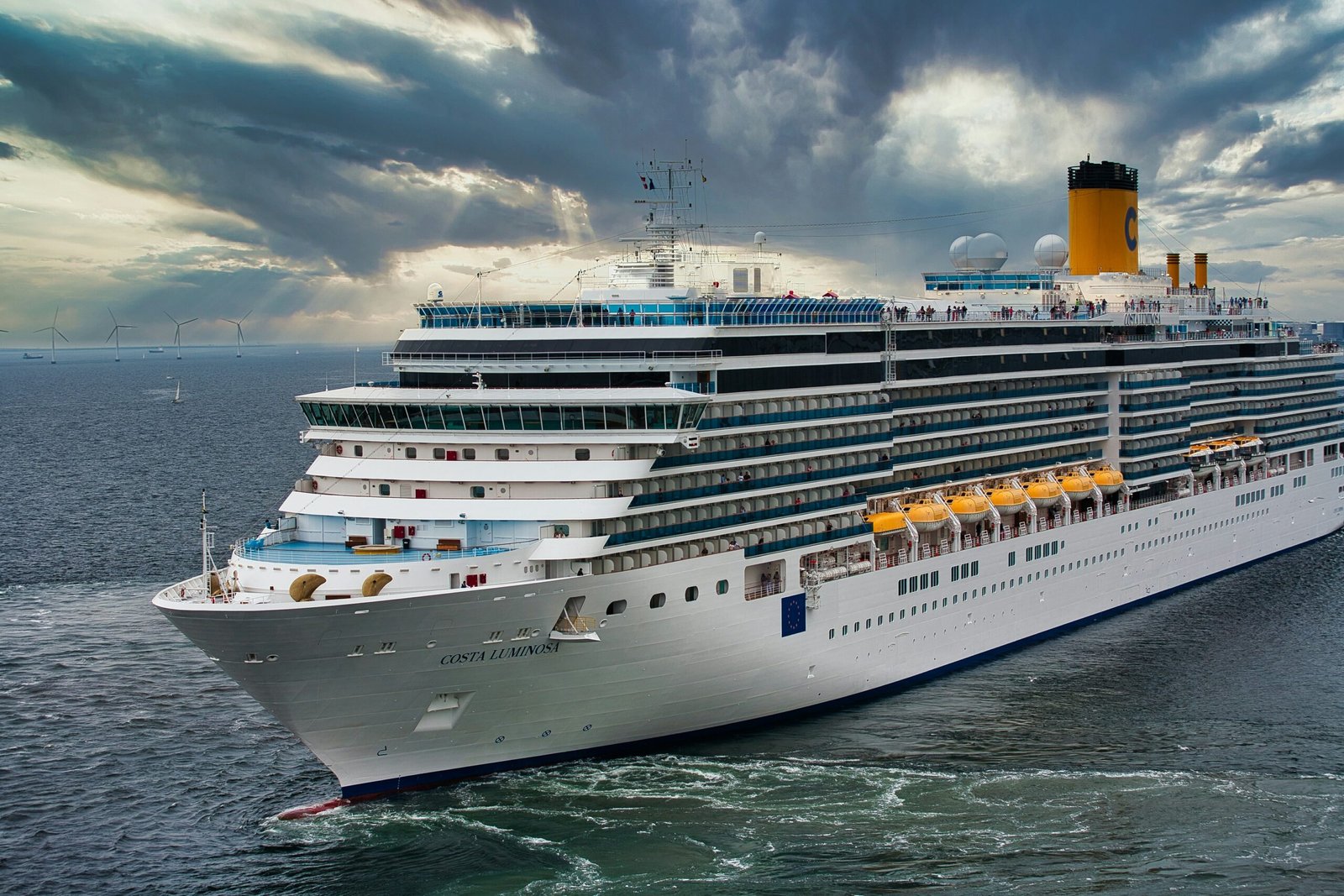
When Titanic premiered in 1997, no one predicted it would become one of the greatest cinematic achievements of all time. What started as an ambitious historical romance quickly transformed into a global cultural phenomenon. Decades later, audiences still revisit it and many still cry.
Directed by visionary filmmaker James Cameron, the movie masterfully combines an intimate love story with one of the most tragic maritime disasters in history. It isn’t just about a sinking ship it’s about dreams, social class, destiny, sacrifice, and survival.
With unforgettable performances by Leonardo DiCaprio and Kate Winslet, Titanic became more than entertainment. It became an emotional experience that continues to define epic romance films.
Beyond its romance and tragedy, Titanic also revolutionized modern filmmaking. From its groundbreaking visual effects to its meticulous recreation of the ill-fated ship, the film set new technical standards for Hollywood. Its record-breaking box office success and multiple Academy Awards proved that audiences were ready for large-scale storytelling that blended spectacle with deep emotion a balance that few films have achieved since.
Titanic Movie Overview: Cast, Budget, and Release Details
Released in December 1997, Titanic was one of the most expensive films ever made at the time, with a reported budget of over $200 million. Many critics initially predicted it would fail because of its scale and production delays but it shattered every expectation.
The film stars Leonardo DiCaprio as Jack Dawson, a free-spirited artist from the lower class, and Kate Winslet as Rose DeWitt Bukater, a young aristocratic woman trapped in societal expectations. Their chemistry became the emotional heart of the film.
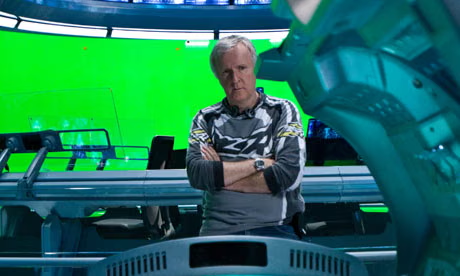
James Cameron didn’t just direct the movie he obsessively researched the historical event. He even led deep-sea expeditions to the wreck of the RMS Titanic to capture authentic underwater footage.
The production team built a near full-scale replica of the ship to recreate its grandeur with remarkable accuracy. From the luxurious first-class dining halls to the crowded third-class cabins, every detail was carefully designed to reflect 1912 authenticity. The film’s massive sets and complex water sequences pushed technical boundaries in Hollywood. In the end, the risk paid off transforming Titanic into a cinematic milestone.ge.
The Real History Behind the Titanic Ship Disaster
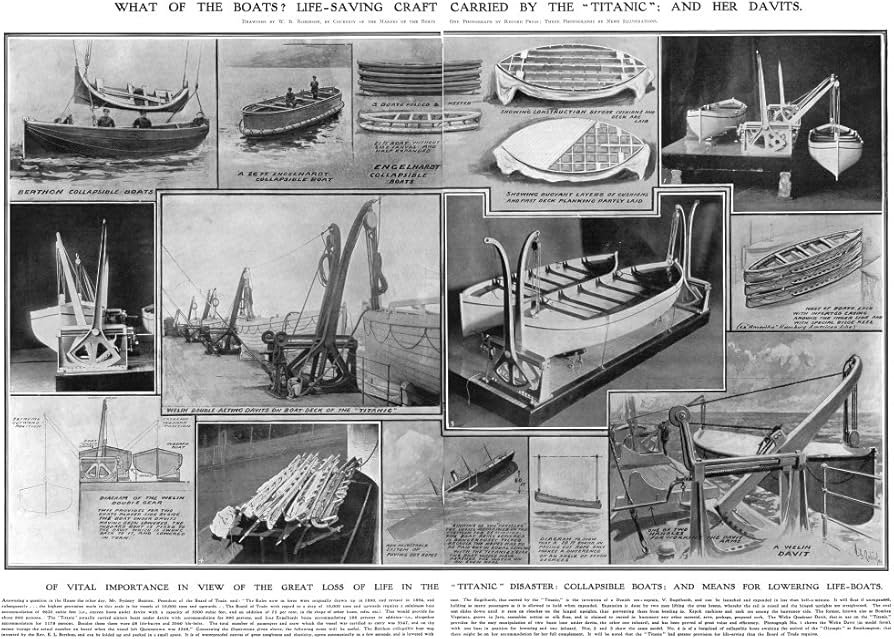
The Titanic movie is rooted in the true story of the RMS Titanic, which sank on April 15, 1912, after striking an iceberg during its maiden voyage from Southampton to New York.
More than 1,500 passengers and crew members lost their lives, making it one of the deadliest peacetime maritime disasters in history. The tragedy shocked the world and exposed major flaws in maritime safety regulations.
While Jack and Rose are fictional characters, many background figures in the film were inspired by real passengers. The movie carefully recreates the ship’s architecture, luxury interiors, and class divisions to maintain historical accuracy.
Jack and Rose: A Fictional Love Story That Felt Real
At the core of Titanic is the unforgettable romance between Jack and Rose. Their love story represents freedom versus restriction, passion versus control, and individuality versus social class expectations.
Jack symbolizes spontaneity and adventure. Rose represents someone struggling against societal pressure. Their relationship grows quickly, but it feels genuine because it develops during a life-threatening crisis.
Iconic scenes like the “I’m the king of the world!” moment and the heartbreaking floating door sequence remain some of the most discussed moments in film history.
Titanic Movie Box Office Success and Awards
Titanic didn’t just perform well it dominated the global box office. It became the highest-grossing film of its time and held that record for over a decade.
At the 70th Academy Awards, Titanic won 11 Oscars, including Best Picture and Best Director. It tied the record for most Oscar wins at the time, cementing its status as a cinematic masterpiece.
The film’s commercial success proved that audiences still crave emotionally powerful storytelling combined with grand visuals.
Beyond ticket sales and awards, Titanic became a worldwide cultural event. The film ran in theaters for months, inspired merchandise, sparked global discussions, and turned its lead actors into international superstars. Its unprecedented success reshaped Hollywood’s approach to large-scale filmmaking, proving that epic romance and historical drama could achieve both critical acclaim and massive commercial appeal.
The Soundtrack That Defined a Generation
No discussion about Titanic is complete without mentioning its unforgettable theme song, “My Heart Will Go On,” performed by Celine Dion.
The song became a global anthem of love and loss. It topped international music charts and won major awards, including an Academy Award for Best Original Song.
The haunting melody, combined with the film’s emotional climax, created a lasting emotional imprint on audiences worldwide.
Composed by James Horner, the soundtrack elevated the emotional depth of the story, blending orchestral grandeur with heartfelt lyrics. The song continues to be played at events, covered by artists, and streamed by new generations of listeners. Even today, just a few opening notes are enough to transport audiences back to the sweeping romance and heartbreaking finale of Titanic.
Behind the Scenes: How Titanic Was Filmed
James Cameron pushed technical boundaries to make Titanic visually realistic. A near full-scale replica of the ship was built in Mexico for filming. Massive water tanks were constructed to recreate the sinking scenes with precision.
Actors endured physically demanding conditions, including long hours in cold water. The production was complex, risky, and extremely expensive but the result was revolutionary.
The underwater footage of the real Titanic wreck added authenticity and emotional depth rarely seen in historical films.
Themes and Symbolism in the Titanic Movie
Social Class Divide
The movie powerfully portrays the contrast between first-class luxury and third-class struggle. This class division becomes painfully clear during the evacuation scenes.
Human Arrogance vs Nature
The Titanic was labeled “unsinkable,” symbolizing human pride. The iceberg collision serves as a reminder that nature cannot be controlled.
Love and Sacrifice
Jack’s final act of sacrifice transforms the film from a romantic drama into a timeless story of unconditional love.
Titanic’s Cultural Legacy and Modern Relevance
Even after nearly three decades, Titanic continues to inspire discussions, memes, debates, and rewatches. The 3D re-release introduced the film to a new generation of viewers.
It influenced countless romantic dramas and disaster films that followed. The emotional storytelling, combined with historical realism, set a new standard for epic filmmaking.
Today, Titanic remains a symbol of cinematic ambition proving that when storytelling and emotion align perfectly, a film can become immortal.
Conclusion
Titanic is more than a film it’s a cinematic experience that captures love, loss, ambition, and human vulnerability. Its emotional storytelling and historical authenticity ensure that it continues to resonate with audiences around the world.
Whether you watch it for the romance, the tragedy, or the breathtaking visuals, Titanic remains one of the greatest films ever created. Its legacy lives on through unforgettable performances by Leonardo DiCaprio and Kate Winslet, and the visionary direction of James Cameron. Decades later, it still moves hearts, proving that powerful storytelling never fades with time.
FAQs
Is Titanic based on a true story?
Yes, the ship’s sinking is real, but the love story of Jack and Rose is fictional.
Did Jack and Rose exist in real life?
No, they were created for the film to personalize the tragedy.
How many Oscars did Titanic win?
It won 11 Academy Awards.
Why is Titanic still popular today?
Because it blends romance, historical tragedy, and groundbreaking filmmaking in a way few movies have matched.
How long is the Titanic movie?
Titanic has a runtime of approximately 3 hours and 14 minutes, making it one of the longest mainstream Hollywood blockbusters of its time.
Where was Titanic filmed?
The movie was primarily filmed in Baja California, Mexico, where a massive ship replica and water tanks were constructed to recreate the sinking scenes realistically.
How much did Titanic earn at the box office?
Titanic became the highest-grossing film of its era, earning over $2 billion worldwide after multiple re-releases.
Leave a Reply