
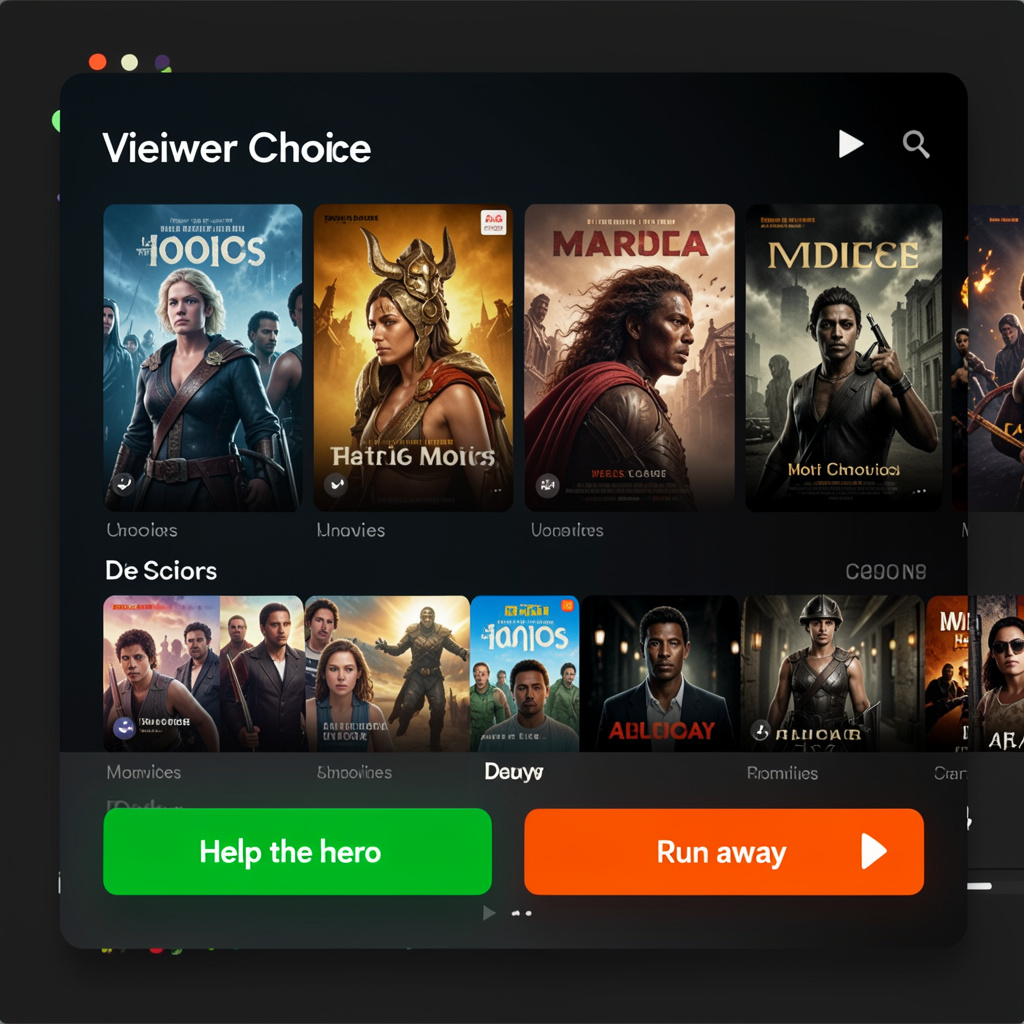
Today, the entertainment world is moving beyond traditional streaming experiences. Many viewers feel that simply watching is no longer enough, and you can notice this change across modern platforms. Therefore, interactive cinema technology is transforming how we all experience movies together.
Interestingly, modern films now allow audiences to control story decisions. When you choose a character’s action, the story moves in a different direction, and we start to feel part of the journey. As a result, viewer-chosen movies create a more personal and immersive experience for everyone.
Across streaming platforms, creators continue experimenting with interactive storytelling and branching narratives. They design stories where you guide the outcome, making the experience more exciting. Consequently, the future of immersive film technology looks far more engaging for viewers worldwide.
The Rise of Interactive Cinema
Recently, filmmakers have started exploring new storytelling methods in interactive cinema. Instead of a fixed storyline, viewers experience multiple possible outcomes. Therefore, branching storytelling creates exciting and unpredictable movie journeys.
Additionally, audiences enjoy the sense of control during movies. Choosing actions for characters builds emotional involvement. As a result, audience participation in films increases viewer engagement.
Meanwhile, technology companies support this trend through modern interactive streaming platforms. These platforms integrate advanced player controls and decision points. Consequently, cinema becomes a more dynamic experience.
How is Interactive Storytelling Changing Filmmaking?
Unlike traditional films, interactive video storytelling allows viewers to influence plot development. Each decision instantly changes the story’s direction. Therefore, every viewing experience can be unique.
Furthermore, filmmakers design complex narratives to support multiple story paths. Writers create various endings and alternate character journeys. As a result, immersive storytelling techniques expand creative possibilities.
Interestingly, this format encourages repeat viewing. Audiences return to explore different outcomes and hidden storylines. Consequently, interactive movie experiences increase audience retention.
5 Interactive Movies Redefining Cinema in 2026
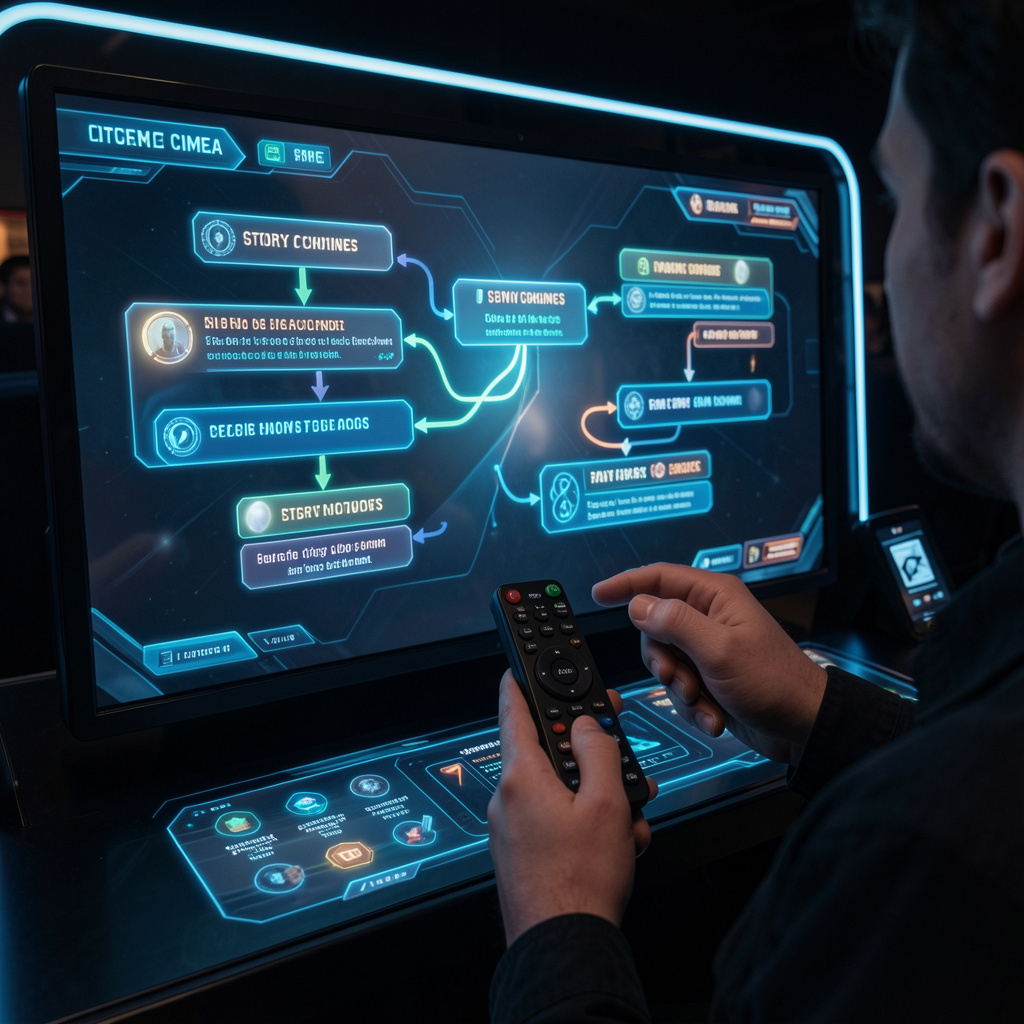
Several innovative films are leading the interactive cinema revolution. These movies combine storytelling with technology to deliver unique experiences.
Some examples of interactive film experiences include:
- A thriller where viewers decide the hero’s survival path
- A sci-fi adventure featuring branching narrative technology
- A romance movie powered by AI storytelling systems
- A mystery film with multiple investigation choices
- An interactive documentary exploring real-world stories
These films show how cinema is evolving beyond passive watching.
The Role of AI in Personalized Movie Experiences
Modern filmmakers are also using AI storytelling technology to enhance interactivity. Artificial intelligence analyzes viewer choices and adapts story elements. Therefore, each viewer may experience a slightly different narrative.
Additionally, AI helps create personalized movie experiences for different audiences. Algorithms adjust character reactions, pacing, and dialogue. As a result, movies become more engaging and customized.
Another benefit is improved story complexity. AI systems can efficiently manage multiple narrative paths. Consequently, adaptive storytelling technology supports deeper cinematic experiences.
Platforms Leading the Interactive Movie Movement
Several streaming services now support interactive streaming platforms. These platforms integrate decision points directly into video players. Therefore, viewers can choose story outcomes during playback.
Moreover, tech companies are building tools that simplify interactive film production. Filmmakers can design branching storylines without complex coding. As a result, more creators can experiment with interactive cinema.
Importantly, audience data also helps improve next-generation streaming technology. Platforms study viewer behavior to refine interactive features. Consequently, streaming continues evolving beyond traditional viewing.
Benefits and Challenges of Interactive Movies
One major benefit of interactive storytelling in cinema is stronger audience engagement. Viewers feel emotionally connected because their decisions influence the story. Therefore, movies become more memorable.
However, creating interactive films requires complex planning and development. Writers must design several storylines and endings. Consequently, the challenges of interactive film production increase costs and production time.
Despite these difficulties, the demand for immersive experiences continues to grow. Audiences want entertainment that feels dynamic and personal. As a result, future cinema technology will likely expand interactive storytelling.
The Power of Interactive Movies
Today, interactive movies are transforming digital entertainment by allowing viewers to choose how the story progresses. This new interactive storytelling style blends gaming elements with traditional cinema. As a result, the future of immersive cinema experiences is becoming more engaging for modern audiences.
Interestingly, the growth of interactive streaming platforms allows filmmakers to design multiple story paths. Viewers now influence the narrative through their choices, thereby increasing their engagement with technology. Consequently, this shift highlights the rising demand for next-generation digital cinema.
Cinema8: Pioneering the Interactive Movie Movement
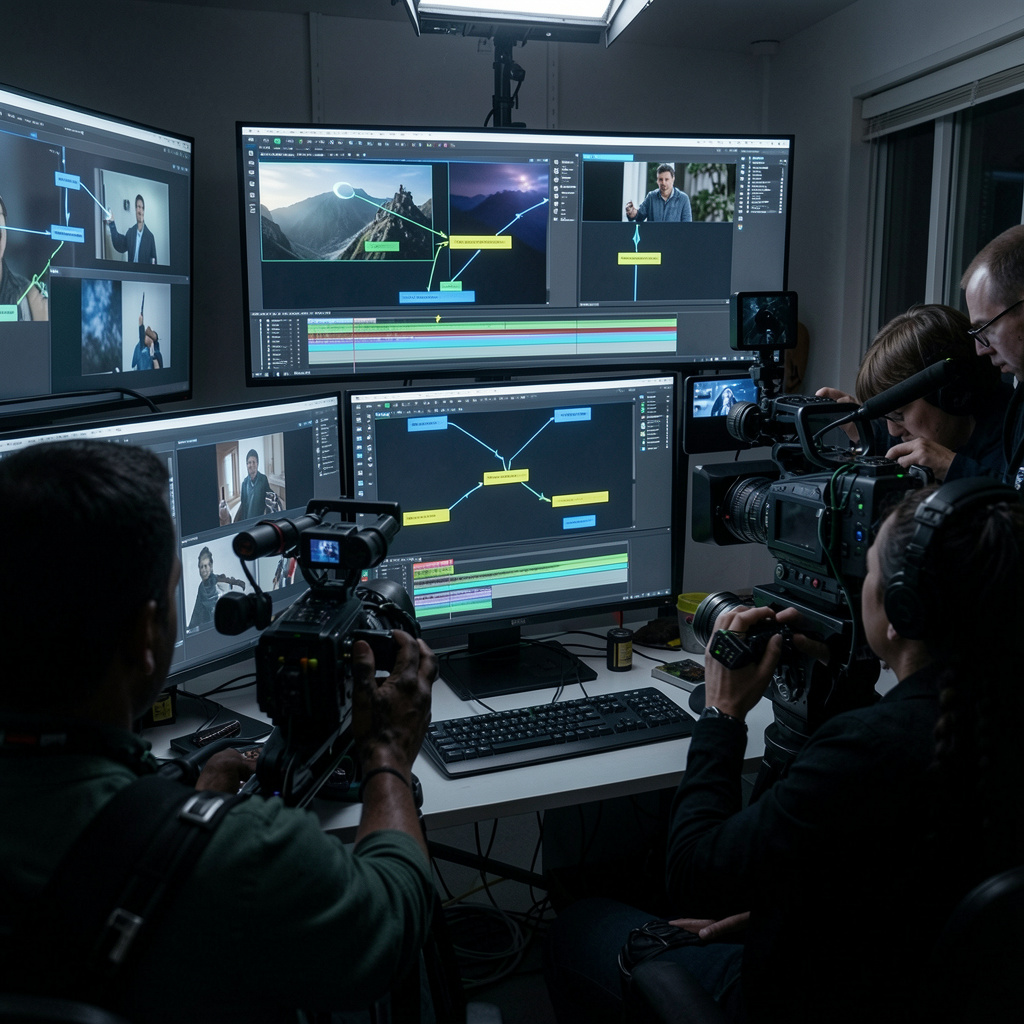
Notably, Cinema8’s interactive platform has emerged as a leader in interactive movie creation. The platform allows creators to build dynamic scenes and branching narratives using interactive video technology. Therefore, filmmakers can deliver more personalized cinematic journeys.
Moreover, creators benefit from tools that support AI-powered storytelling and interactive content design. The platform simplifies production while keeping viewers deeply involved in the story. As a result, Cinema8’s interactive storytelling tools are shaping the future of digital filmmaking.
Empowering Creators and Audiences Alike
Meanwhile, interactive cinema empowers both filmmakers and viewers in new ways. Creators experiment with branching narratives while audiences actively participate in the storyline. Consequently, audience-driven storytelling is becoming a powerful trend in modern entertainment.
Additionally, the collaboration between creators and viewers builds stronger emotional connections. Interactive choices create a feeling of control and immersion within the story world. Therefore, interactive film experiences continue to gain popularity across streaming platforms.
The Art of Personalization Through AI
Furthermore, AI personalization in streaming enables films to adapt based on viewer behavior. Advanced algorithms analyze preferences and guide the story in unique directions. As a result, AI-driven interactive movies deliver tailored cinematic experiences.
Equally important, AI helps creators design smarter narrative paths and dynamic characters. This technology improves engagement while maintaining storytelling quality. Consequently, machine learning in entertainment platforms plays a key role in interactive cinema.
A Multifaceted Impact
Significantly, interactive movies influence entertainment, marketing, and digital media industries. Brands now use interactive video marketing to engage audiences more effectively. Therefore, the growth of interactive media technology extends beyond cinema.
At the same time, educational platforms also adopt interactive storytelling tools to improve learning experiences. Students interact with content instead of passively watching videos. Consequently, immersive digital media is reshaping how people consume information.
Interactive Cinema Lets Viewers Call the Shots
Surprisingly, modern audiences prefer stories where they control the outcome. This trend reflects the growing popularity of choose-your-own-adventure films and interactive streaming. As a result, viewers feel more connected to the story.
For example, interactive movies allow viewers to make decisions such as:
- Selecting character actions
- Choosing alternate story paths
- Unlocking hidden scenes
Therefore, viewer-controlled narratives represent a major shift in digital storytelling.
Anticipating a Paradigm Shift
Gradually, the entertainment industry is moving beyond traditional streaming models. Studios are exploring interactive content platforms to create unique viewer experiences. Consequently, the concept of future cinema technology is evolving rapidly.
Ultimately, the rise of immersive storytelling platforms signals a major transformation in filmmaking. Interactive movies combine gaming, cinema, and AI innovation. Therefore, next-generation entertainment experiences are expected to dominate the coming decade.
Conclusion
Ultimately, interactive movies are redefining how audiences experience digital entertainment. Viewers no longer passively watch stories because interactive storytelling technology enables real participation.
Meanwhile, platforms like Cinema8 interactive video tools help creators design engaging cinematic journeys. As a result, the future of AI-powered immersive cinema looks more personalized, dynamic, and audience-driven.
FAQ
1. What are interactive movies?
Interactive movies are films where viewers make choices that affect the storyline, creating a personalized cinematic experience.
2. How does AI improve interactive cinema?
AI analyzes viewer behavior and adapts story paths using AI-driven personalization technology.
3. What is Cinema8?
Cinema8 is a platform that helps creators produce interactive videos and branching narratives for modern streaming platforms.
4. Why are interactive movies becoming popular?
They increase viewer engagement by allowing audiences to influence the story outcome.
5. What is the future of interactive streaming?
The future includes AI-powered storytelling, immersive streaming platforms, and personalized viewer experiences.
Leave a Reply