

Horror movies are designed to scare us, but sometimes the fear feels almost too real. Over the years, there have been shocking reports of viewers collapsing in cinema halls or even suffering heart attacks while watching extremely terrifying films. These incidents have sparked a chilling question: can a horror movie actually be so frightening that it puts someone’s life at risk?
From intense jump scares to disturbing supernatural scenes, modern horror films are crafted to trigger powerful emotional and physical reactions. When we experience fear, our bodies release adrenaline, our heart rate increases, and our blood pressure rises. For most people, this reaction is temporary and part of the thrill. However, for individuals with underlying heart conditions, extreme shock or stress could potentially lead to serious medical emergencies.
While cases of death during horror screenings are rare, the stories continue to fuel debates about the psychological and physical impact of scary movies. Are these incidents tragic coincidences, media exaggerations, or proof that fear can truly overwhelm the human body? In this article, we explore the real reports, the science behind fear, and whether horror films can really be dangerous.
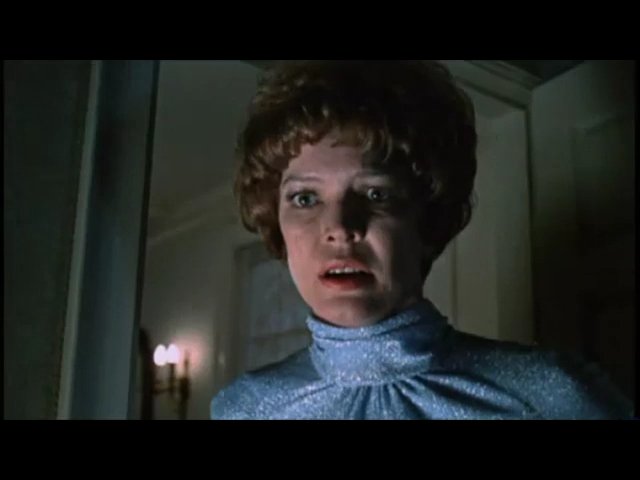
The Exorcist
Released in 1973, The Exorcist was not just a movie it was a cultural phenomenon that shocked audiences around the world. When it first hit theaters, reports quickly spread that viewers were fainting inside cinema halls due to the film’s terrifying scenes. Some people allegedly experienced panic attacks, nausea, dizziness, and even chest pain while watching it. The film’s realistic portrayal of demonic possession felt disturbingly authentic for its time, making it far more intense than typical horror movies of that era. Its shocking visuals, unsettling sound design, and psychologically disturbing moments pushed audiences beyond their comfort zones. There were even claims that medical staff had to be on standby outside certain theaters because of extreme audience reactions. Media outlets reported that a few elderly viewers suffered heart-related complications, although such cases were rare and not always officially confirmed. Despite the controversy and fear surrounding its release, the film became a massive success. Even today, it consistently ranks among the “scariest horror movies of all time” and continues to terrify new generations of viewers.
The Conjuring 2
In 2016, The Conjuring 2 became the center of global headlines after a shocking incident was reported in India, where an elderly man allegedly suffered a fatal heart attack during a screening of the film. The movie, known for its terrifying jump scares and deeply unsettling atmosphere, left many viewers shaken. As a supernatural horror film based on true events, it follows real-life paranormal investigators Ed and Lorraine Warren, which makes the fear feel more authentic and psychologically intense. The haunting Enfield Poltergeist case portrayed in the film added a chilling layer of realism. Its loud sound design, sudden visual shocks, and dark cinematography were designed to trigger strong emotional reactions. For viewers with underlying health conditions, such intense fear responses can increase heart rate and blood pressure dramatically. The incident quickly went viral in the media, sparking debates about whether horror movies can pose real health risks. While such cases are rare, they continue to raise questions about the physical impact of extreme fear.
The Passion of the Christ
Although not a traditional horror film, The Passion of the Christ shocked audiences with its extremely graphic and disturbing scenes. The intense religious drama depicted the brutal final hours of Jesus Christ with unfiltered realism, making it one of the most controversial films of its time. Many viewers found the torture sequences emotionally overwhelming and physically difficult to watch. There were reports of people feeling dizzy, fainting, or experiencing chest discomfort during screenings. The film’s raw violence and emotional weight created a powerful psychological response similar to that triggered by extreme horror movies. For some individuals, the stress and shock led to rapid heartbeat and increased blood pressure. The combination of graphic imagery and spiritual intensity made the experience deeply unsettling. Even today, it remains one of the most talked-about and debated films for its emotional and physical impact on audiences.

Annabelle Comes Home
Annabelle Comes Home continued the terrifying legacy of the haunted doll franchise and once again proved how powerful supernatural horror can be. In Thailand, reports surfaced that a cinema viewer became unconscious during a screening and was later declared dead, allegedly due to medical complications triggered by fear. The film’s dark atmosphere, suspenseful pacing, and sudden jump scares created an intense viewing experience. As a paranormal horror story connected to the larger Conjuring universe, it built on an already established sense of dread. The creepy doll concept, combined with unexpected supernatural attacks, kept audiences on edge throughout the film. Loud sound effects and rapid scene transitions amplified the shock factor. For individuals with heart conditions, such sudden bursts of fear can potentially pose health risks. While these incidents are extremely uncommon, they reinforce the idea that horror films can sometimes have more than just psychological effects on viewers.
Can Horror Movies Really Cause Heart Attacks?
From a scientific perspective, fear triggers a powerful chain reaction inside the human body. When we experience intense fear while watching a horror movie, the brain signals the release of adrenaline and other stress hormones. This adrenaline rush increases heart rate, raises blood pressure, and makes breathing faster and heavier. The body enters a temporary “fight or flight” mode, even though the threat is fictional. For most healthy individuals, this reaction is short-lived and harmless, fading once the scary scene ends. However, for people with pre-existing heart conditions, extreme shock or emotional stress could potentially trigger serious complications. Sudden spikes in heart rate combined with anxiety may increase the risk of cardiac events in vulnerable individuals. That said, medically confirmed cases directly caused by horror films are extremely rare. In general, horror movies are far more likely to create excitement than actual physical danger.
Why People Still Love Extremely Scary Movies
Despite the fear factor, millions of people actively seek out the scariest movies every year. One major reason is the addictive nature of adrenaline; the rush created by jump scares and suspense can feel thrilling rather than harmful. Watching horror in a safe environment allows people to experience fear without real-world consequences. This controlled exposure to danger creates a powerful psychological thrill that many viewers enjoy. Horror movies can also serve as a form of stress release, helping people temporarily escape daily worries. Sharing the experience with friends or family often turns fear into laughter and bonding moments. The intense emotions create memorable reactions that viewers love to talk about afterward. That is why searches for the “most terrifying movies ever made” never seem to decline.
Conclusion
There have been reported incidents of individuals suffering heart attacks during horror movie screenings, but such cases are exceptionally uncommon. Most of these situations involved elderly viewers or people with underlying medical conditions. While fear can temporarily stress the cardiovascular system, it is unlikely to harm a healthy person. Horror films are designed to shock and disturb, but their primary purpose remains entertainment. Media coverage sometimes amplifies isolated incidents, making them appear more widespread than they actually are. Scientific evidence suggests that emotional stress from movies rarely leads to fatal outcomes on its own. However, individuals with heart problems should be cautious when exposing themselves to extremely intense or graphic content. For everyone else, horror movies remain a thrilling experience best enjoyed with popcorn and maybe the lights left on.
FAQs
Can horror movies really cause a heart attack?
In rare cases, extreme fear may trigger a heart attack in individuals with pre-existing heart conditions. However, for healthy people, horror movies usually only cause temporary adrenaline rush and increased heart rate.
Which horror movie reportedly caused the most panic?
The Exorcist is often reported as one of the most disturbing films ever made, with audiences fainting and experiencing panic attacks during its original release.
Are jump scares dangerous for heart patients?
Sudden jump scares can temporarily raise blood pressure and heart rate. For people with serious heart conditions, intense shock may pose a risk, so caution is advised.
Is there medical proof that horror movies cause death?
There is no strong scientific evidence proving that horror movies directly cause death in healthy individuals. Most reported cases involve underlying medical issues.
Why do people enjoy extremely scary movies?
People enjoy horror because of the adrenaline rush, psychological thrill, and the excitement of experiencing fear in a safe environment.
Leave a Reply