
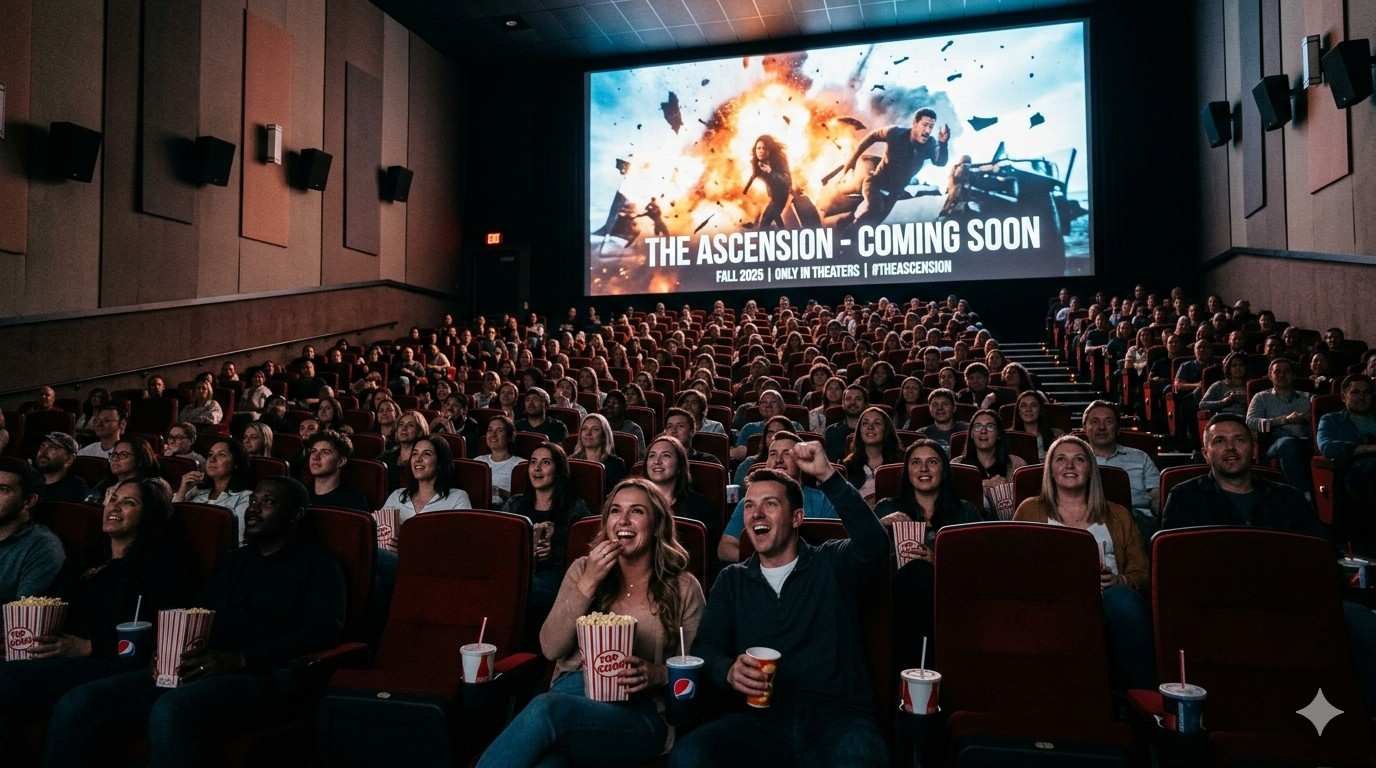
In modern cinema marketing, movie trailers play a crucial role in attracting audiences. A short preview often becomes the first interaction between viewers and a film. Therefore, studios carefully design trailers as part of their movie trailer marketing strategy.
Interestingly, many people decide whether to watch a film after seeing its trailer. Emotional scenes, exciting visuals, and strong music quickly improve viewer engagement. As a result, trailers directly influence box office success and audience expectations.
Moreover, digital platforms have expanded the reach of film promotion tactics. Trailers spread rapidly through social media and video platforms. Consequently, a well-crafted trailer can create massive hype before the movie even releases.
Why Movie Trailers Are the Most Powerful Tool in Film Marketing?
Today, the film industry relies heavily on movie trailer marketing strategies to attract viewers quickly. A trailer introduces the story, tone, and characters within seconds. Therefore, audiences often decide their interest before the movie reaches cinemas.
Interestingly, viewers often remember the excitement created by a trailer more than traditional ads. Short scenes, dramatic sound, and emotional storytelling improve film promotion tactics. As a result, studios successfully create early buzz for upcoming films.
Because attention spans are short online, trailers act as fast communication tools. They instantly convey the movie’s message and raise audience expectations. Consequently, strong trailers help boost opening weekend revenue.
The Psychology Behind Trailer-Driven Audience Engagement
Human emotions play an important role in audience psychology in marketing. Trailers use suspense, excitement, and curiosity to capture viewers’ attention. Therefore, people feel emotionally connected even before watching the film.
Sometimes a simple scene in a trailer can trigger strong emotions. A smile, a dramatic line, or a powerful soundtrack improves viewer engagement. Consequently, audiences begin discussing the film with friends or on social media.
Moreover, anticipation pushes viewers to imagine the full story. This emotional curiosity strengthens consumer behavior in entertainment marketing. As a result, trailers successfully turn interest into ticket purchases.
Key Elements of a High-Converting Movie Trailer
Effective trailers rely on smart trailer editing techniques to maintain viewer attention. Editors carefully select scenes that show excitement without revealing the full story. Therefore, audiences remain curious and eager to watch the movie.
Several important elements improve film marketing strategy and trailer performance:
- Strong opening hook
- Powerful music and sound design
- Eye-catching visual scenes
- Memorable dialogue lines
These elements work together to strengthen movie promotion campaigns.
Additionally, visual storytelling plays a major role in trailer success. Stunning scenes, dramatic action, and emotional moments quickly attract viewers. Consequently, these highlights improve trailer engagement metrics online.
Types of Movie Trailers Used in Marketing Campaigns

Usually, studios release multiple trailers during a movie marketing campaign. Each version targets a different stage of audience interest. Therefore, marketing teams gradually increase excitement before release.
Common trailer types include:
- Teaser trailer strategy for early curiosity
- Official trailers that explain the story
- Final trailers that encourage ticket booking
This staged approach strengthens film promotion tactics.
Meanwhile, each trailer reveals slightly more information about the film. This controlled storytelling builds anticipation among fans. Consequently, the strategy improves overall box office performance.
How Trailer Timing Impacts Box Office Performance?
Strategic timing greatly affects trailer launch strategy and audience reach. Studios often release trailers during global events or popular entertainment shows. Therefore, trailers gain millions of views within hours.
Meanwhile, repeated exposure increases movie marketing impact. When audiences see trailers across social media platforms, curiosity grows naturally. Consequently, strong timing leads to a better opening weekend box office.
Another factor is seasonal planning in the film promotion strategy. Holiday seasons and blockbuster periods offer better visibility. As a result, studios align trailer releases with high-traffic viewing moments.
The Role of Digital Platforms in Trailer Virality
Digital platforms now dominate movie trailer marketing strategy. Websites like YouTube and social media allow trailers to reach global audiences instantly. Therefore, trailers can go viral within minutes.
Online reactions also strengthen trailer engagement metrics. Fans share clips, create reaction videos, and discuss theories online. Consequently, these conversations increase audience interest in the film.
In addition, streaming platforms help expand digital film marketing. Algorithms recommend trending trailers to millions of viewers. As a result, digital distribution plays a major role in modern movie promotion.
Data-Driven Trailer Optimization
Modern studios increasingly rely on analytics to improve trailer performance analysis. Marketing teams study viewer reactions and engagement patterns. Therefore, they adjust trailers to increase impact.
Advanced tools also measure emotional responses through neuromarketing research. These insights help studios understand how audiences react to different scenes. Consequently, editors refine trailers for better viewer engagement.
Furthermore, audience testing supports smarter film marketing strategy decisions. Focus groups provide feedback about pacing and story clarity. As a result, studios create trailers that attract wider audiences.
Common Trailer Marketing Mistakes That Hurt Box Office Results
Sometimes trailers reveal too many important scenes. When the audience already knows the story, curiosity decreases quickly. Consequently, poor trailer editing techniques can damage audience excitement.
Another issue appears when marketing misrepresents the film’s tone. For example, a comedy-style trailer for a serious drama confuses viewers. Therefore, honest movie promotion tactics build long-term trust.
Additionally, excessive hype without strong storytelling harms film marketing campaigns. Viewers may feel disappointed after watching the movie. As a result, negative reactions spread quickly online.
Conclusion
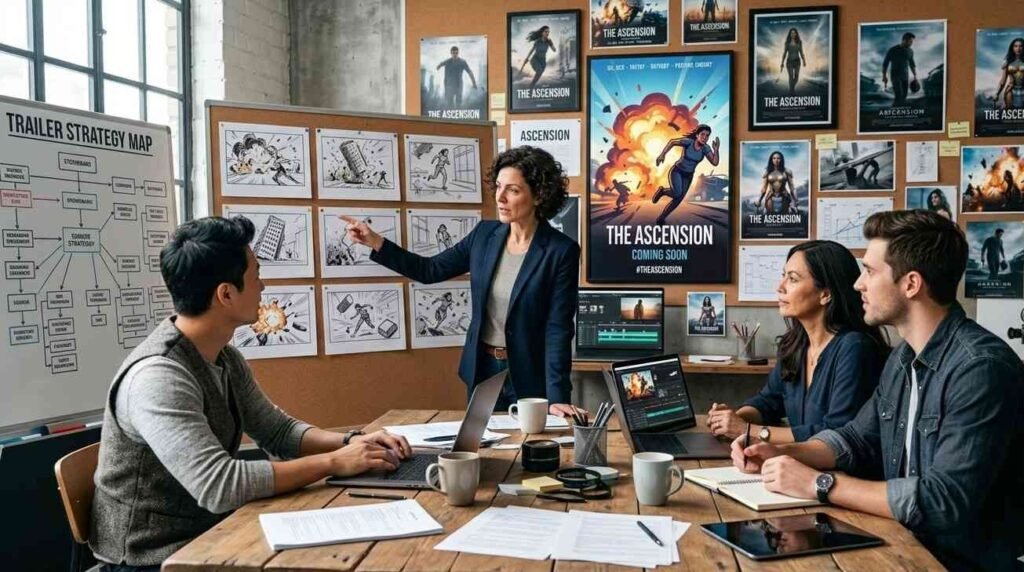
Overall, movie trailers act as a powerful bridge between films and audiences. A strong movie trailer marketing strategy creates excitement and builds emotional curiosity before release. Smart editing, timing, and digital promotion improve viewer engagement and attract larger audiences.
Therefore, well-planned trailers directly influence box office success and opening weekend revenue.
FAQs
1. How do movie trailers influence box office success?
Movie trailers create early excitement and improve audience engagement, which encourages people to buy movie tickets.
2. What makes a movie trailer effective?
Strong trailer editing techniques, emotional storytelling, and powerful visuals make trailers more engaging.
3. Why do studios release teaser trailers first?
A teaser trailer strategy builds curiosity months before the movie’s release.
4. Do trailer views affect movie popularity?
Yes, high trailer engagement metrics often increase public interest and boost ticket sales.
5. How do digital platforms help movie trailers go viral?
Social media and streaming platforms improve digital film marketing and help trailers reach global audiences quickly.
Leave a Reply