

The global success of Game of Thrones reshaped television storytelling, setting new standards for drama, character depth, and cinematic production. While fans often focus on creators like David Benioff and D. B. Weiss, many industry professionals like Michael Patrick have also contributed to or been influenced by its groundbreaking legacy.
In this blog, we explore the connection between Michael Patrick and Game of Thrones, along with the broader impact the show has had on writers, producers, and the entertainment industry. Whether you’re searching for insights into creative influence or behind-the-scenes storytelling evolution, this guide covers it all.
Additionally, the influence of Game of Thrones extends far beyond entertainment, shaping how modern audiences consume and evaluate content. Viewers today expect deeper narratives, unpredictable twists, and high production quality standards that have pushed writers like Michael Patrick to innovate and adapt. This shift has not only redefined television success but also inspired a new generation of storytellers to think bigger, write smarter, and create more immersive worlds.
Who Is Michael Patrick?
Michael Patrick is a name associated with creative writing, production, and storytelling in modern television. While not directly credited as a primary creator of Game of Thrones, professionals like him represent a broader class of writers and producers influenced by the show’s success.
In the era of high-budget TV series, individuals like Michael Patrick play crucial roles in shaping narratives, character arcs, and episodic structure. Their work reflects how Game of Thrones transformed audience expectations, pushing creators toward more complex and layered storytelling.

The Influence of Game of Thrones on Modern Storytelling
Evolution of TV Narratives
Game of Thrones revolutionized television by blending political intrigue, fantasy, and emotional depth. It proved that audiences are ready for morally complex characters and unpredictable storylines.
Writers inspired by the show including professionals like Michael Patrick often adopt:
- Multi-character perspectives
- Non-linear storytelling
- High-stakes plot development
Rise of Cinematic Television
The series blurred the line between movies and TV. Massive battle scenes, detailed world-building, and visual effects raised production standards across the industry.
Michael Patrick’s Creative Approach and Similarities
Character-Driven Narratives
One of the defining traits of Game of Thrones is its focus on character development. Similarly, writers like Michael Patrick emphasize:
- Deep emotional arcs
- Realistic motivations
- Gradual transformation of characters
This approach resonates strongly with audiences who seek meaningful storytelling rather than surface-level entertainment.
Complex Themes and Moral Ambiguity
Game of Thrones thrives on gray areas heroes are flawed, and villains are humanized. Michael Patrick’s writing style reflects similar themes, often exploring:
- Power struggles
- Ethical dilemmas
- Human psychology
Behind-the-Scenes Impact on Writers and Producers
Changing Industry Standards
After Game of Thrones, networks began investing heavily in original content. Writers like Michael Patrick now operate in an environment where:
- Quality matters more than quantity
- Audiences expect cinematic storytelling
- Long-form narratives are preferred
Opportunities for Emerging Creators
The show opened doors for new writers and producers by proving that bold ideas can succeed globally. This has encouraged creative professionals to experiment with genres and storytelling formats.
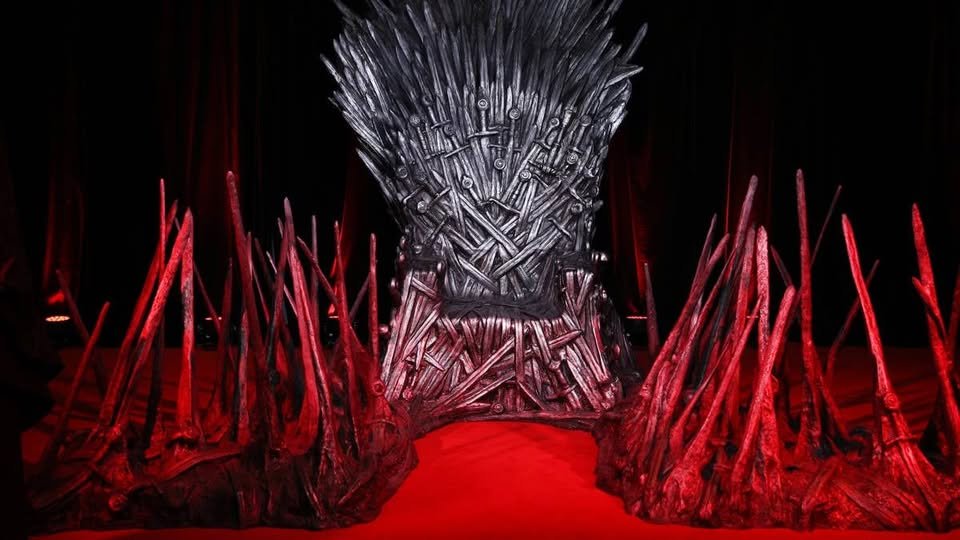
Lessons Writers Can Learn from Game of Thrones
1. Build Strong Worlds
Detailed world-building makes stories immersive and believable.
2. Develop Multi-Dimensional Characters
Characters should evolve naturally and reflect real human emotions.
3. Take Narrative Risks
Unexpected twists keep audiences engaged and invested.
4. Maintain Story Consistency
Even complex plots must remain coherent and logical.
These principles are often reflected in the work of modern writers like Michael Patrick.
Future of Fantasy Storytelling and Industry Trends
The legacy of Game of Thrones continues to shape the future of television. Streaming platforms are investing in fantasy series, and writers are exploring deeper narratives than ever before.
Professionals like Michael Patrick are part of this evolving landscape, contributing to a new era of storytelling that blends:
- Emotional depth
- Visual spectacle
- Innovative narratives
Conclusion
The connection between Michael Patrick and Game of Thrones lies not in direct authorship but in influence and inspiration. The series has transformed how stories are written, produced, and consumed, leaving a lasting impact on creators across the industry.
As television continues to evolve, the storytelling techniques pioneered by Game of Thrones will remain a guiding force for writers like Michael Patrick ensuring that audiences continue to experience powerful, engaging, and unforgettable narratives.
FAQs
1. Who is Michael Patrick in relation to Game of Thrones?
Michael Patrick is not a primary creator of Game of Thrones, but he represents modern writers and creatives influenced by the show’s storytelling style, production quality, and narrative depth.
2. Did Michael Patrick work directly on Game of Thrones?
There is no confirmed major credit linking Michael Patrick directly to Game of Thrones. However, many industry professionals like him have adopted similar writing techniques inspired by the series.
3. How did Game of Thrones influence modern TV writers?
Game of Thrones changed television by introducing complex characters, unpredictable plots, and cinematic visuals. Writers today—including those like Michael Patrick focus more on layered storytelling and long-form narratives.
4. What storytelling techniques from Game of Thrones are widely used today?
Some key techniques include:
- Multi-character storylines
- Moral ambiguity
- Plot twists and unpredictability
- Detailed world-building
These elements have become standard in modern TV writing.
5. Why is Game of Thrones considered a revolutionary TV series?
Game of Thrones is considered revolutionary because it raised the bar for television production, storytelling, and global audience engagement, making TV shows comparable to blockbuster films.
6. What can new writers learn from Game of Thrones?
New writers can learn the importance of strong character development, immersive world-building, and taking creative risks to keep audiences engaged.
7. Is the influence of Game of Thrones still relevant today?
Yes, the impact of Game of Thrones is still visible in today’s TV shows, especially in fantasy and drama genres, where high production quality and complex storytelling are now expected standards.
Leave a Reply